Office is closed on August 31, 2026

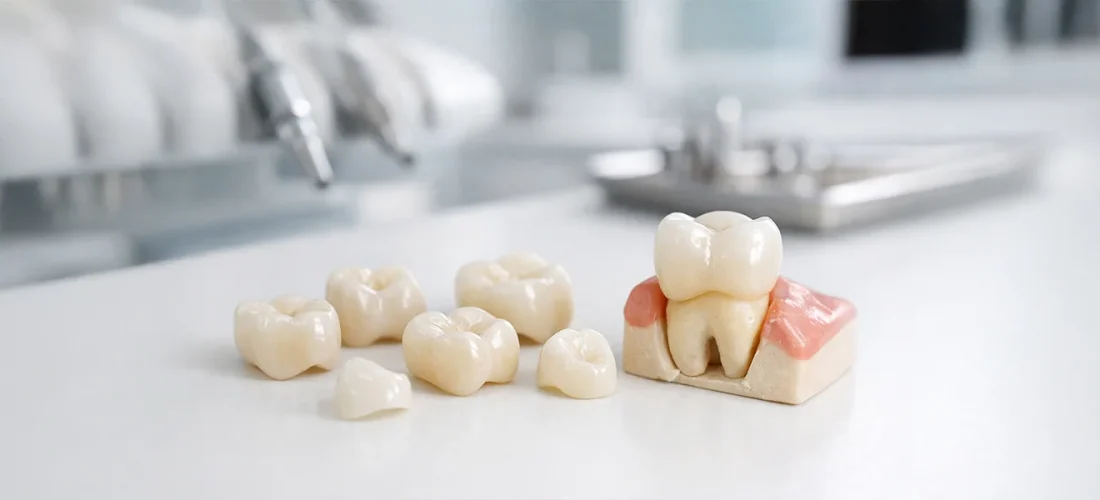
5 Signs You May Need a Dental Crown Before a Tooth Breaks
Teeth rarely break without warning. A worn filling, a small crack, or ongoing sensitivity can all suggest that a tooth is becoming weaker.
Being aware of the signs you need a dental crown makes it easier to address dental problems before they worsen.
1. Pain When You Bite Down
Discomfort while chewing may indicate that a tooth has developed a crack or lost some of its strength. Although this doesn’t always mean a crown is needed, it’s a sign your dentist should evaluate.
2. A Large Filling Is No Longer Supporting the Tooth
As large fillings age, they may place additional stress on the remaining tooth, increasing the risk of weakening. If the filling is wearing down or the tooth is beginning to crack, a crown can provide long-term tooth protection by covering and reinforcing the entire tooth.
3. A Chipped Tooth Keeps Getting Worse
A minor chipped tooth may not need a crown, but larger chips or fractures can reduce the tooth’s strength. Covering the tooth early may help prevent additional damage.
4. You Notice Ongoing Sensitivity or a Dull Tooth
Sensitivity that doesn’t improve, or a persistently dull tooth, may indicate that the tooth has been weakened by a crack, an aging restoration, or repeated biting pressure. An examination can help determine the cause before the damage progresses.
5. Small Cracks or Excessive Wear Are Visible
Tiny cracks and worn enamel may not cause immediate pain, but they can make the tooth more likely to fracture. A crown may be recommended if your dentist determines the remaining tooth structure needs additional support.
Why Acting Early Matters
Waiting until a tooth breaks often means more complicated treatment. Strengthening a weakened tooth before significant damage occurs may preserve healthy tooth structure and decrease the chance of needing root canal treatment or extraction.
If you notice these changes, visiting a dentist in Magnolia early allows you to explore treatment options before the damage becomes more difficult to repair. In many cases, timely restorative dental care can help keep your natural tooth functioning for years to come.
How Dental Crowns Restore Strength to Weakened Teeth
For teeth weakened by damage or decay, a dental crown provides full coverage to reinforce the remaining structure. This protection helps reduce the risk of cracks extending further while allowing the tooth to function normally.
Many patients choose tooth-colored crowns because they provide durability while blending naturally with the surrounding teeth.
What Happens During the Dental Crown Procedure?
The dental crown procedure starts with an examination to determine whether a crown is the best option. If recommended, your dentist removes damaged tooth structure and reshapes the tooth so the crown fits securely.
A digital scan or impression is used to create a custom crown. While it’s being made, you’ll wear a temporary restoration. At your next visit, the permanent crown is checked for fit, appearance, and bite before being bonded into place.
When Is a Crown Recommended?
Your dentist may recommend a crown if:
- A large filling no longer supports the tooth
- A crack increases the chance of the tooth breaking
- The tooth has weakened after root canal treatment
- Excessive wear has reduced its strength
- A filling alone won’t provide enough support
Receiving dental crowns in Magnolia, TX, before a tooth fracture can often preserve more of the natural tooth structure and help avoid more extensive treatment.
Protect a Weak Tooth Before It Breaks
Small warning signs can become larger problems when they’re ignored. If you’ve noticed chewing discomfort, a dull tooth, or a chipped tooth that’s getting worse, it’s worth having the tooth evaluated before the damage progresses.
At Tamborello Dentistry, personalized restorative care is designed to preserve natural teeth whenever possible. If you’re exploring restorative dentistry in Magnolia, your treatment plan will be tailored to your individual needs.
Schedule Your Consultation
If you’ve noticed any of these signs, you need a dental crown; don’t wait until the tooth breaks. Schedule an evaluation to find out whether dental crowns near you can restore strength and help protect your smile.
Frequently Asked Questions
Pain while chewing, a large worn filling, a cracked or chipped tooth, ongoing sensitivity, and visible tooth wear are common signs that a crown may be recommended.
Yes. When a tooth has lost strength, a crown provides added support and helps minimize the risk of further damage during everyday biting and chewing.
No. Small cracks may only need monitoring, while deeper cracks that weaken the tooth are more likely to require a crown.
Large fillings leave less natural tooth structure to absorb chewing pressure. A crown provides additional support when the remaining tooth is at greater risk of breaking.
It can be. Ongoing sensitivity sometimes indicates that a tooth has become weakened or cracked and should be examined by your dentist.
A weakened tooth may continue to crack, making treatment more complicated and increasing the chance of needing root canal therapy or extraction.
Many crowns provide long-lasting results for 10 to 15 years or beyond with consistent oral care and routine dental examinations. However, factors such as chewing habits and tooth location can influence their durability.