Office is closed on August 31, 2026

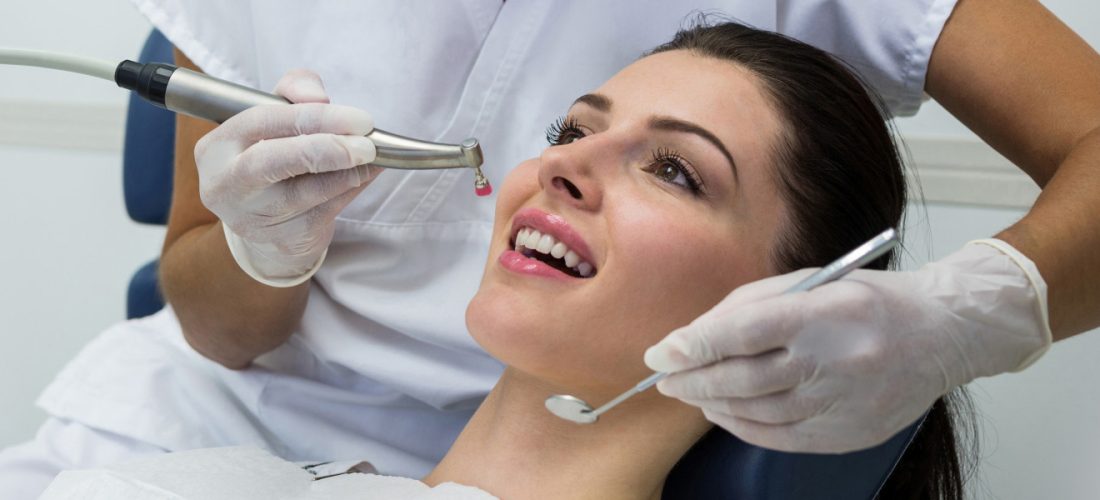
Top Benefits of Cosmetic Dental Bonding in Magnolia
A small chip, a stubborn stain, or a minor gap between teeth can affect how you feel about your smile. Many smile imperfections can be corrected without complex or time-consuming procedures. Dental bonding in Magnolia is one of the most conservative and affordable ways to improve the appearance of teeth while preserving their natural structure.
This treatment uses a tooth-colored resin to address minor imperfections, refine tooth shape, and enhance the overall appearance of your smile. For many adults seeking a refreshed smile, bonding offers noticeable improvements in a single visit.
What Is Cosmetic Dental Bonding?
Cosmetic bonding involves applying a durable composite resin directly to a tooth. The material is carefully shaped, hardened with a special curing light, and polished to blend seamlessly with surrounding enamel.
Dentists commonly recommend bonding to address:
- Small chips and cracks
- Minor gaps between teeth
- Uneven tooth edges
- Surface discoloration
- Teeth that appear shorter or misshapen
- Early wear caused by grinding
Because the procedure requires minimal preparation, much of the healthy tooth structure remains untouched.
Why Patients Choose Cosmetic Dental Bonding
Many people want noticeable results without lengthy treatment timelines. Bonding provides a practical solution for correcting minor cosmetic concerns while maintaining a natural appearance.
Fast Smile Enhancement
One of the biggest advantages is convenience.
Unlike veneers or crowns, which often require multiple appointments and laboratory fabrication, bonding can frequently be completed during a single visit. This makes it a popular option for busy professionals, parents, and students.
For individuals preparing for a special event, interview, wedding, or family gathering, treatment can deliver immediate aesthetic improvements.
Natural-Looking Results
A major reason patients choose natural-looking dental bonding is its ability to blend with surrounding teeth.
Modern composite materials are available in multiple shades and levels of translucency. An experienced clinician carefully matches the resin to the existing enamel, creating a seamless result that blends naturally with surrounding teeth.
When properly shaped and polished, bonded teeth are often difficult to distinguish from untreated teeth.
Conservative Treatment Approach
Many cosmetic procedures require removing a portion of enamel before treatment begins.
Bonding is different.
In most situations, only minimal preparation is necessary. Preserving healthy tooth structure supports long-term oral health while still delivering cosmetic improvements.
This conservative approach often appeals to patients who want enhancement without permanent alteration.
How Cosmetic Dental Bonding Supports Smile Confidence
Studies have shown that people often associate a healthy smile with confidence, approachability, and overall well-being.
Even small cosmetic concerns can make some people feel self-conscious about smiling. Correcting these concerns often helps patients feel more comfortable speaking, smiling, and participating in professional or social situations.
Effective Solution for Minor Cosmetic Repairs
Bonding can successfully address:
- Small fractures caused by accidental trauma
- Tiny spaces between teeth
- Slight shape irregularities
- Surface defects affecting appearance
For patients seeking cosmetic improvements without major treatment, bonding often serves as an excellent first step.
Helpful Addition to Comprehensive Smile Improvements
In some cases, bonding is incorporated into broader aesthetic treatment plans.
A provider experienced in smile design may use bonding alongside whitening or other cosmetic procedures to create balanced, attractive results. Patients exploring broader cosmetic treatment plans often value bonding’s versatility for refining small details.
Benefits Beyond Appearance
Although bonding is best known for improving appearance, it can also help restore minor areas of tooth structure.
Restoring Tooth Shape
A chipped edge can affect how teeth fit together. Rebuilding the missing portion helps restore proper contours and may improve comfort during chewing.
Protecting Vulnerable Areas
Small cracks and worn surfaces can become more susceptible to further damage over time. Bonding helps reinforce these areas while maintaining a natural appearance.
In certain situations, the procedure may complement treatments commonly associated with restorative care by rebuilding minor structural defects before they progress.
What To Expect During Treatment
Most bonding appointments follow a straightforward process:
- Examination and treatment planning
- Shade selection for optimal color matching
- Gentle preparation of the tooth surface
- Application of composite resin
- Sculpting and contouring
- Curing with a special light
- Final polishing
The process is generally comfortable and often completed without anesthesia unless decay or structural repair is involved.
Caring for Bonded Teeth
Proper maintenance helps extend the life of bonded restorations.
Daily Care Tips
- Brush twice each day with fluoride toothpaste
- Floss carefully around bonded areas
- Limit habits such as nail biting or chewing ice
- Using a protective oral appliance can reduce stress on bonded teeth caused by grinding
- Attend regular dental examinations and cleanings
Foods and Drinks to Watch
Composite resin can stain over time.
To help maintain appearance:
- Rinse after consuming coffee or tea
- Use a straw for dark-colored beverages when possible
- Avoid tobacco products
- Maintain professional hygiene visits
With proper care, bonded restorations can remain attractive for several years before requiring touch-ups.
Choosing the Right Provider
Successful bonding depends heavily on artistic skill and clinical experience.
When evaluating treatment options, look for a practitioner who:
- Understands facial and smile aesthetics
- Uses high-quality composite materials
- Provides conservative treatment recommendations
- Focuses on personalized care
- Has experience performing cosmetic procedures regularly
If you search for a dentist near you, you should consider reviewing credentials, treatment philosophy, and before-and-after examples when available.
Those seeking cosmetic dental bonding in Magnolia should prioritize providers who emphasize both function and aesthetics for long-lasting results.
Final Thoughts
For patients looking to improve chips, gaps, discoloration, or uneven tooth contours, dental bonding in Magnolia can provide a fast and conservative solution. The procedure preserves healthy enamel, enhances appearance, and creates results that blend beautifully with natural teeth.
A dental evaluation can help you decide if bonding is the most appropriate solution for your cosmetic concerns. Practices such as Tamborello Dentistry offer comprehensive cosmetic and restorative services designed to support healthy, confident smiles for patients throughout Magnolia and nearby communities, including Egypt, Alden Bridge, and Research Forest.
Frequently Asked Questions
Most dental bonding appointments take about 30 to 60 minutes for each tooth being treated. The exact timeframe is based on the number of teeth being treated and the complexity of the repair.
Many bonded restorations remain in good condition for years when supported by consistent home care and routine checkups. Its longevity is affected by factors such as teeth grinding, eating habits, and overall oral hygiene.
Many general and cosmetic dental practices offer bonding treatment. Choosing a provider with experience in aesthetic dentistry can help ensure natural-looking outcomes and personalized care.
A strong bonding result often comes from a dentist who balances technical skill with a careful understanding of each patient's goals. Look for a dentist with experience in cosmetic procedures, smile enhancement, and conservative treatment planning.