Office is closed on August 31, 2026

Can TMJ Disorders Cause Headaches, Earaches, and Neck Pain?
Your jaw feels sore after dinner, but the aching has spread toward your temples and ears. Could these symptoms be connected?
Jaw joint problems can sometimes cause pain beyond the mouth. If you’re considering TMJ treatment in Magnolia, an examination can help determine whether the discomfort involves your jaw muscles, joints, or another condition.
Understanding the temporomandibular joint
Two small joints in front of your ears connect your lower jaw to your skull. They allow your mouth to open, close, and move sideways.
Temporomandibular disorders (TMDs) affect these joints, their cushioning discs, or the muscles involved in chewing. Injury, joint inflammation, and muscle strain may contribute, although the cause is not always clear.
The temporalis muscle runs across the side of your head and helps close your mouth. Repeated clenching can leave it tender, sometimes producing an ache around the temples.
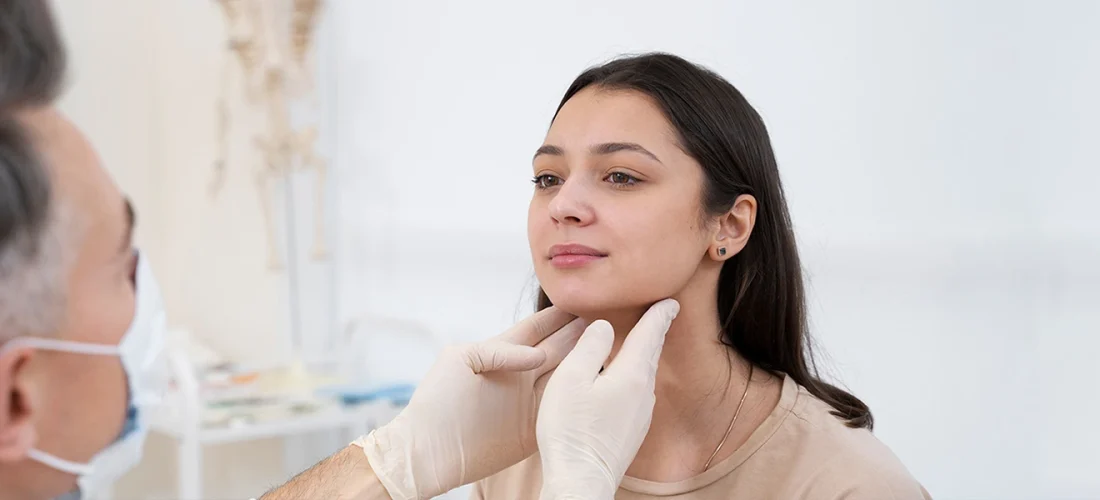
During an examination, a dentist in Magnolia may check jaw movement and muscle tenderness to determine whether these findings reproduce your usual discomfort.
Common signs and symptoms of TMJ dysfunction
Symptoms vary depending on whether the problem involves the joint, surrounding muscles, or both.
Headaches that worsen with jaw movement
A TMJ-related headache may become more noticeable when you chew, yawn, or clench.
In a study of 373 people with headaches and TMD, researchers found two useful clues. A jaw-related headache often changes when someone chews, opens wide, or clenches their teeth. Pressing the temporalis muscle during an examination may also reproduce the person’s familiar temple pain. These findings help clinicians investigate the connection, but they do not necessarily mean every headache comes directly from the jaw. Other causes still need consideration.
If you’re exploring TMJ headache treatment in Magnolia, identifying what triggers your usual pain is important before choosing treatment.
Seek emergency medical attention for a sudden, extremely severe headache, especially with weakness, confusion, fever, or neck stiffness.
Earaches without an ear infection
Your jaw joint sits close to your ear, and both areas share sensory nerve connections.
This can produce referred ear pain, where an ache originating near the jaw is felt inside or around the ear.
Discomfort that increases during meals may suggest TMD. However, hearing loss, discharge, or fever warrants medical evaluation.
Clicking and difficulty opening your mouth
Some people notice popping sounds, stiffness, or a jaw that briefly catches when opening.
Painless clicking usually does not require treatment. Repeated locking or painful movement deserves further investigation.
If you’re searching for a TMJ specialist in Magnolia, ask about the clinician’s training and experience with jaw disorders.
Can TMJ Disorders Cause Neck and Shoulder Pain
Yes. TMD can occur alongside neck tenderness and shoulder stiffness, although these symptoms may have separate causes.
A review of 21 studies found that people with TMD often had more neck difficulties than those without it. Some showed reduced neck movement and less endurance in muscles supporting the head. This association does not prove that jaw problems caused their neck symptoms, and posture alone did not explain the findings. A careful assessment should consider both areas before choosing exercises, physical therapy, or other appropriate conservative care options.
For jaw pain treatment in Magnolia, dentists generally recommend starting with reversible measures such as softer foods, gentle heat or cold, and reducing daytime clenching.
Physical therapy may improve movement and muscle comfort. A custom nightguard may protect teeth affected by grinding, although it does not guarantee consistent relief from TMD pain.
Procedures that permanently alter the bite are not routinely recommended for TMD.
Frequently Asked Questions
Yes. TMD may contribute to frequent headaches, but persistent or worsening symptoms need medical evaluation.
Yes. Shared sensory pathways can make pain originating near the jaw feel like an earache.
These symptoms sometimes occur together. Other muscular or cervical conditions may also be responsible.
Pain that changes during chewing or clenching may suggest TMD. A clinical exam can help clarify the cause.
Grinding or clenching may contribute to tenderness around the temples and ears.
Jaw-related pain may spread around the ear. Fever, redness, or swelling behind the ear require prompt medical assessment.
These symptoms can occur with TMD but don't confirm it. Persistent dizziness, tinnitus, or hearing changes require medical evaluation.
Try softer foods, gentle heat or cold, and avoid prolonged clenching. Suitable medication may provide temporary relief.
Mild symptoms sometimes improve with self-care. Persistent discomfort or jaw locking warrants assessment.
A dentist can examine jaw-related concerns. Consult a doctor for new, severe, or unexplained headaches.
Get Help for Persistent Jaw Discomfort
Headaches, earaches, and neck stiffness can have several causes. Identifying the source helps guide appropriate care
If you’re looking for a dentist near you to evaluate recurring jaw discomfort, contact Tamborello Dentistry at 281-252-6882. The practice offers TMJ evaluations and custom dental appliances for suitable patients. Schedule a consultation to discuss your symptoms
Reference
Schiffman, E., Ohrbach, R., List, T., Anderson, G., Jensen, R., John, M. T., Nixdorf, D., Goulet, J.-P., Kang, W., Truelove, E., Clavel, A., Fricton, J., & Look, J. (2012). Diagnostic criteria for headache attributed to temporomandibular disorders. Cephalalgia, 3 (9), 683–692 https://doi.org/10.1177/033310241244631
de Oliveira-Souza, A. I. S., Ferro, J. K. O., Barros, M. M. M. B., & de Oliveira, D. A. (2020). Cervical musculoskeletal disorders in patients with temporomandibular dysfunction: A systematic review and meta-analysis. Journal of Bodywork and Movement Therapies, 2 (4), 84–101 https://doi.org/10.1016/j.jbmt.2020.05.00